Parent Resources
Insights and tools from leading parenting experts to help you raise confident, capable, resilient kids — at every stage.
Meet Dr. Michele Borba — Chief Thriving Officer at Unleashed Brands
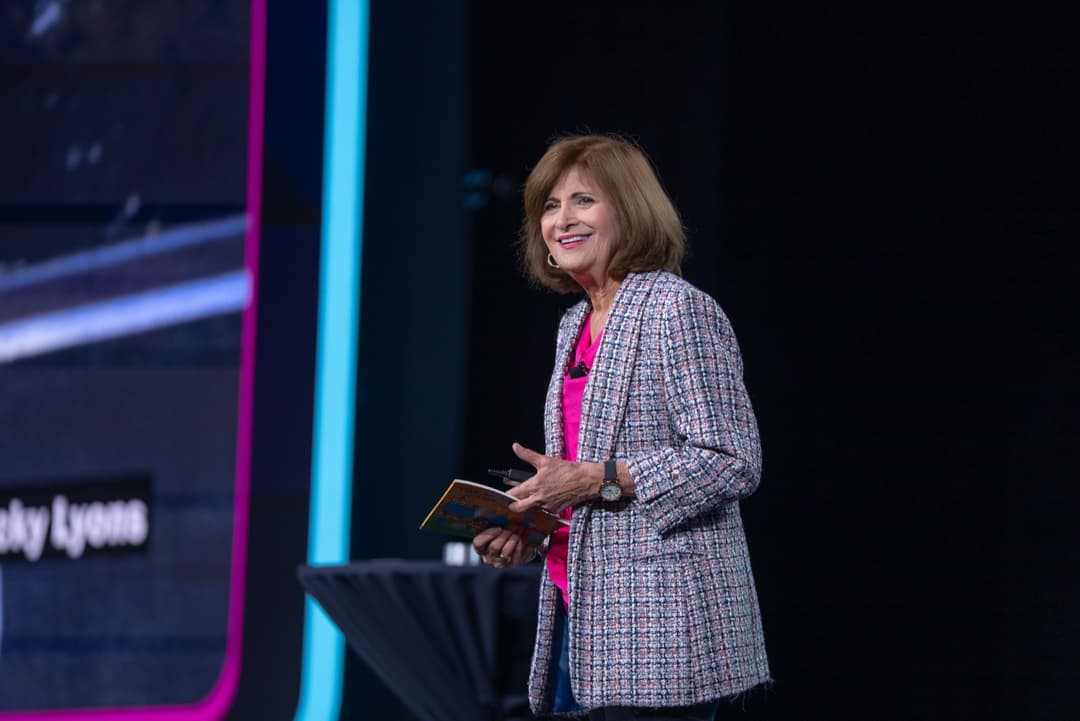
For forty years, one question has guided Dr. Michele Borba's work: what does it actually take to raise a kid who thrives?
An educational psychologist, bestselling author, and longtime TODAY show contributor, Dr. Borba has spoken to more than one million parents, teachers, and child advocates across five continents. She's the voice major outlets turn to when families need answers; appearing on the TODAY show, Dr. Phil, Good Morning America, Anderson Cooper, CNN, and in The New York Times, USA Today, and TIME.
Across her books; Thrivers, UnSelfie, Building Moral Intelligence, Parents Do Make a Difference, and more; one idea runs through every page: the qualities that matter most in a child's life are teachable. Confidence. Empathy. Self-control. Integrity. Curiosity. Perseverance. Optimism. They aren't traits some kids are simply born with; they're strengths caring adults can build, on purpose, starting today.
That's the foundation ThriveScore is built on.
ThriveScore isn't a passing wellness trend or a one-off quiz. It's the practical translation of the framework Dr. Borba has spent her career developing; research-backed, classroom-tested, and shaped by four decades of work with real families. When you use ThriveScore, you're using a tool grounded in the same approach that has helped a million parents around the world raise children who don't just succeed, but thrive: healthy, kind, resilient, and ready for the life ahead.
More from Dr. Michele Borba
Visit Dr. Borba's site for in-depth articles, research, and her latest books on character and resilience.
Visit micheleborba.com →Read & Reflect
Short essays from Dr. Borba on the small moments that build character, empathy, and resilience.
What Is Character
Character is not something children are born with — it's something they learn, practice, and strengthen over time.
Read article →Talking About Character
The most meaningful conversations about character rarely happen during big lectures — they happen in calm, everyday moments.
Read article →Character Is a Verb
Knowing what's right is not the same as practicing what's right. Character is a verb, not a noun.
Read article →Empathy Starts with Noticing
Empathy begins with awareness. In UnSelfie, I explain that children must first learn to recognize emotions before they can respond with compassion.
Read article →Teach Perspective-Taking
Perspective-taking is one of the strongest builders of empathy. When children learn to think beyond their own experience, they become kinder, more patient, and less reactive.
Read article →Model Empathy Daily
The way parents speak to others, respond to stress, and handle disagreements teaches children what compassion looks like in real life.
Read article →Empathy Reduces Conflict
Empathy helps children manage conflict because it teaches them to think about how their actions affect others.
Read article →Kindness Starts Small
Kindness is not automatic. It grows through repetition, modeling, and everyday practice.
Read article →Catch Kindness in Action
Children repeat behaviors that receive attention. When parents specifically notice kindness, children begin understanding why those behaviors matter.
Read article →Watch & Learn
Bite-sized expert insights you can watch on the go.